Standby
Critical Infrastructure Standby
Standby Is Not Availability. It Is Allocation.
Standby is not about finding vehicles when disruption occurs.
Standby is about pre-allocating capacity before disruption exists.
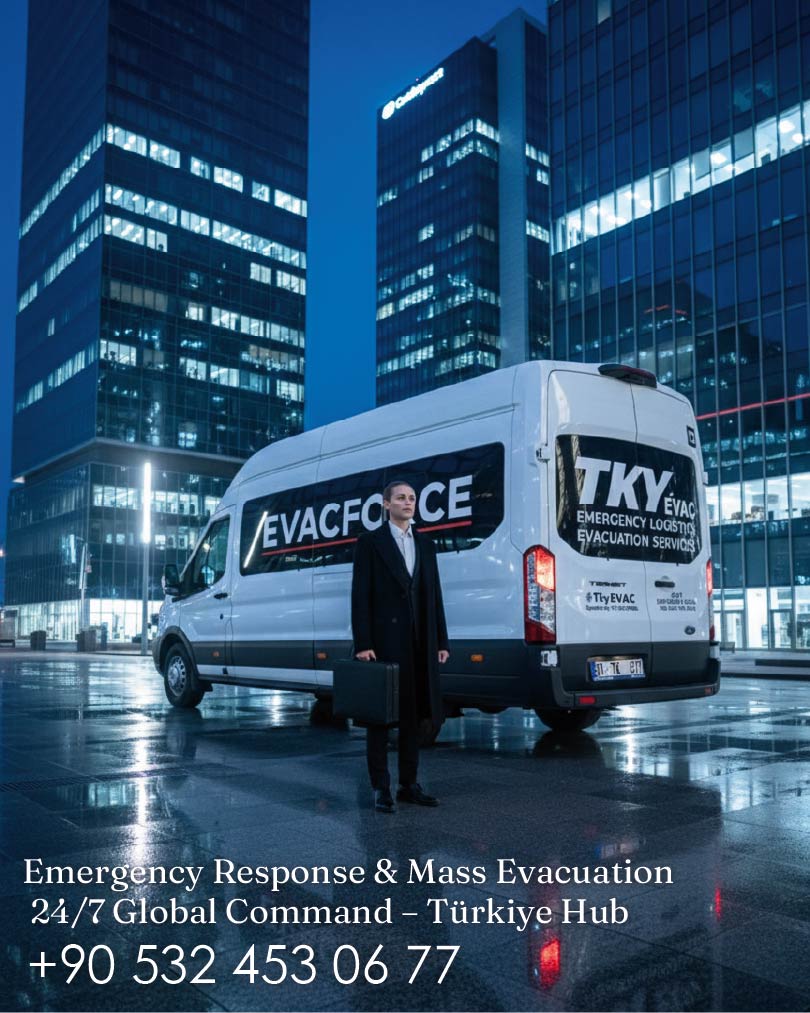
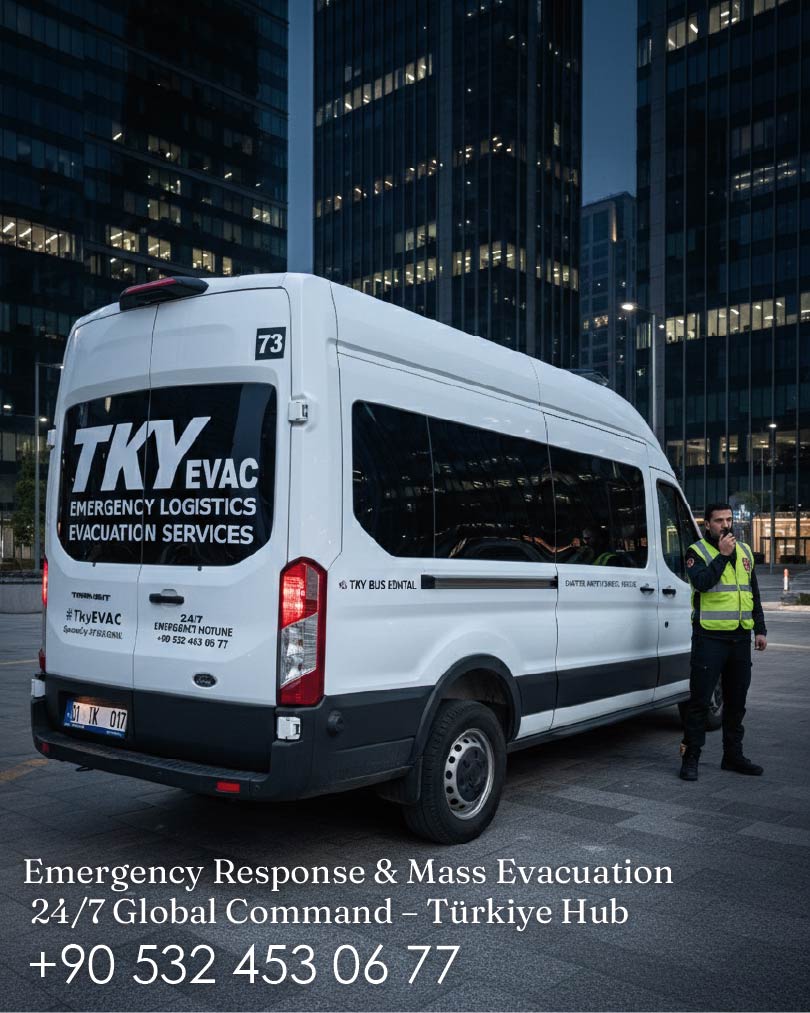
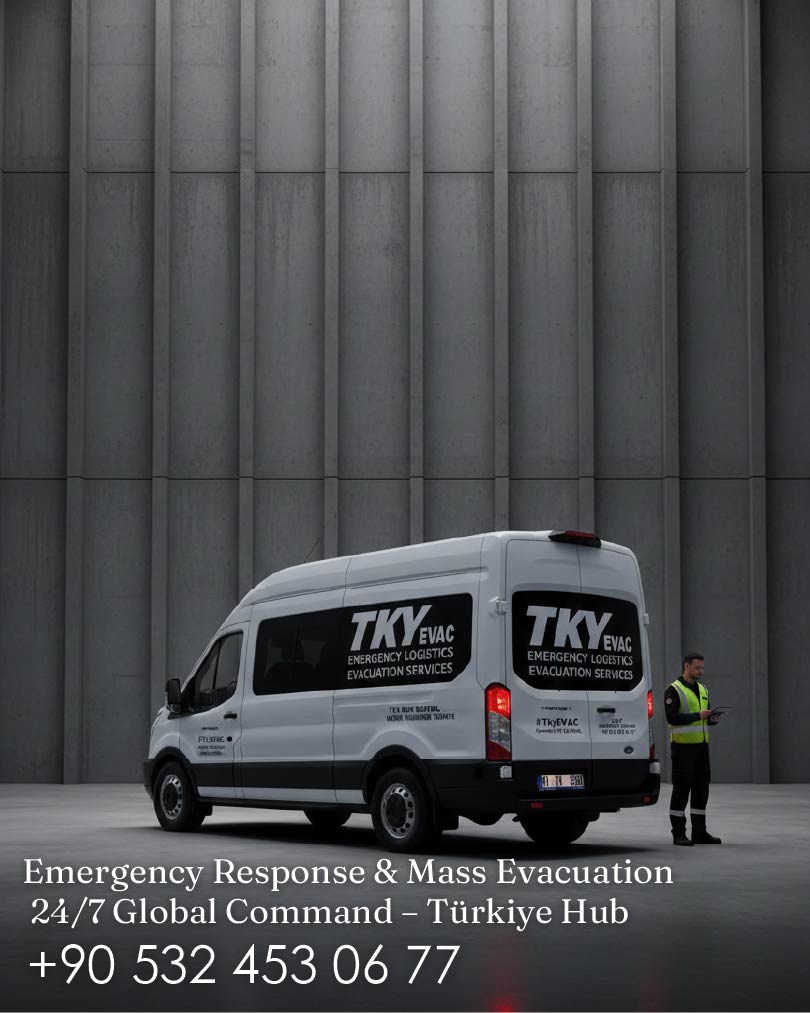
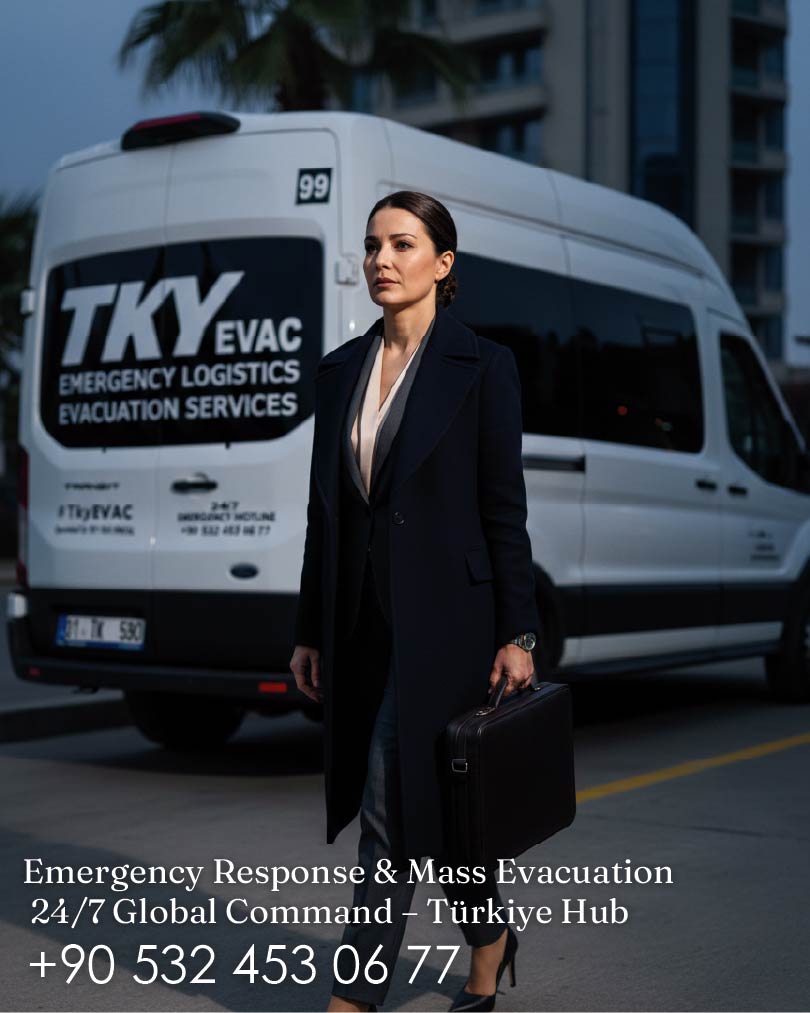
EvacForce Standby establishes dedicated, non-shared evacuation and crisis mobility capacity across Türkiye for organizations that cannot afford uncertainty during failure, shutdown, or crisis scenarios.
What Critical Infrastructure Standby Means
Critical Infrastructure Standby is a structured readiness model that combines:
- Dedicated vehicles reserved exclusively for standby
- Pre-assigned drivers and operational coordination
- Defined activation protocols
- Centralized command and accountability
Standby capacity is not offered to multiple clients, not released for other operations, and not negotiated during activation.
It exists only to be activated.
Standby for Energy and Petroleum Facilities
Energy production plants, refineries, oil and gas facilities, LNG terminals, and pipeline infrastructure operate under zero-failure conditions.
In these environments:
- Delayed evacuation escalates risk
- Disorder threatens safety and continuity
- Improvised mobility is unacceptable
EvacForce Standby for energy and petroleum facilities ensures that evacuation capacity is already positioned, already coordinated, and immediately executable when operational thresholds are exceeded.
Standby protects personnel while preserving operational discipline.
Standby for Airports and Aviation Operations
Airports and aviation operations are among the most time-sensitive environments for crisis mobility.
Flight disruptions, diversions, infrastructure constraints, or security-related shutdowns generate immediate large-scale ground movement requirements.
EvacForce Standby for aviation provides:
- Reserved ground mobility capacity
- Immediate activation without sourcing delays
- Controlled passenger and crew movement
- Landside order during aviation disruptions
Standby prevents aviation disruptions from escalating into ground-side crises.
Standby for Industrial and Construction Environments
Industrial facilities and large-scale construction projects operate with dense workforces and elevated risk exposure.
In these environments:
- Evacuation must be immediate
- Movement must be disciplined
- Capacity must be guaranteed
EvacForce Standby ensures that workforce evacuation is planned, reserved, and executable, not dependent on last-minute availability or local improvisation.
Standby becomes part of operational risk management, not an emergency reaction.
Standby for Ports and Maritime Facilities
Ports, shipyards, and maritime facilities represent complex operational ecosystems where landside evacuation directly affects maritime continuity.
EvacForce Standby for ports provides:
- Reserved evacuation capacity for port personnel
- Controlled landside movement during port incidents
- Ground-side support aligned with maritime operations
Standby ensures that evacuation supports, rather than disrupts, port functionality.
How Standby Is Structured
EvacForce Standby is structured through a defined process:
- Operational scope assessment
- Capacity requirement definition
- Standby allocation and reservation
- Activation protocol alignment
- Continuous readiness oversight
Standby is not activated casually.
It is assigned deliberately.
Activation Without Negotiation
When standby is activated:
- Capacity is already reserved
- Command structure is already defined
- Execution begins immediately
There are no availability checks, pricing discussions, or operational negotiations at the moment of activation.
Standby exists to remove friction when time is critical.
Nationwide Standby Coverage Across Türkiye
EvacForce Standby operates at a national scale across Türkiye.
- No regional dependency
- No local sourcing during crisis
- No fragmented standby models
Readiness is centralized, coordinated, and maintained continuously.
Who Requires Critical Infrastructure Standby
Standby readiness is designed for organizations that:
- Operate critical infrastructure
- Manage large workforces or passenger volumes
- Face regulatory, safety, or continuity obligations
- Cannot tolerate evacuation uncertainty
Standby is not designed for ad-hoc or one-time needs.
Operational Access for Standby Requests
Requesting standby readiness requires operational access.
All standby requests are evaluated based on:
- Scope and risk exposure
- Capacity feasibility
- Readiness alignment
Standby capacity is limited and allocated intentionally.
This is not a public contact channel.
[ Request Standby Readiness ]
Standby Is Allocated, Not Promised
Standby is a strategic decision made before disruption occurs.
Organizations that prepare retain control.
Organizations that wait react under pressure.
EvacForce Standby exists to ensure that evacuation, order, and operational continuity are preserved when systems are under stress.
Standby readiness transforms evacuation from a reaction into a controlled operational function.
EvacForce delivers critical infrastructure standby across Türkiye for energy, aviation, industry, ports, and high-risk operational environments.
Request Asset Allocation
Contact
- Huzurevleri District, 77053 Street, No: 7/15 Adana / TÜRKİYE
-
(+90) 532 453 06 77
(+90) 532 156 80 94
(+90) 532 632 12 46
(+90) 505 540 93 36 - ops@evacforce.com